
Proven and Trusted By the Following Brands
DesignBranch Steady
We Help You Make Your Home More Conducive for Aging
DesignBranch Steady helps homeowners plan, adapt, and renovate for long-term safety and comfort, before something forces the decision.












0+
Utility Patents held
0 Years
in business
0’s
of Retail Locations carry our designs
#1
Multiple #1 Best-Sellers created for major brands
0%
Client Satisfaction - clients come back for more projects

What Does "Aging in Place" Actually Mean?
Aging in place means staying in your own home as you get older, instead of moving to assisted living or a facility, without the house becoming a hazard or a burden.
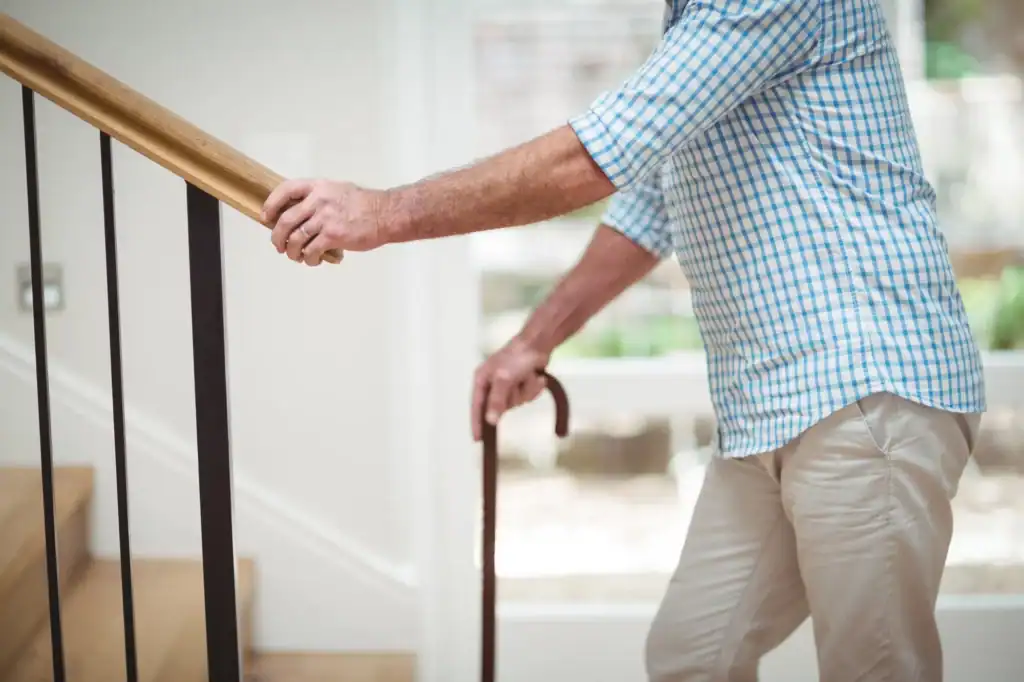
Most homes aren’t built with that in mind. Narrow doorways. Bathrooms with no grab bars. Stairs between every room that matters. Steps at every entrance. These things feel fine at 50. They become real problems at 70 or 75.
- Figuring out what your home needs
- Improving your home structurally, functionally, aesthetically
- Makes the design work for you long-term, not just right now.

For Homeowners Ready to Embrace Changes
Homeowners call Design Branch Steady when something shifts.
We work with:
- Homeowners rightsizing from a larger property who want to evaluate a new one before buying
- Families supporting a parent who just came home from the hospital
- Couples who want to plan ahead, on their own terms, before the decision gets made for them
- Buyers asking whether a home can actually adapt to their needs over the next 20 years
- Builders and remodelers who want a certified aging-in-place perspective on a project
- Realtors guiding clients through major life transitions
CAPS Certified
CAPS stands for Certified Aging-in-Place Specialist, a national designation for designers trained in long-term home livability.

Design Thinking for the Long Haul

As an industrial designer, she looks at a home the way she looks at any product, as a system with parts that work or don’t. What’s fine now but won’t be in ten years? What can be changed without gutting the place? These aren’t questions most contractors think to ask. Sheila starts there.
Our Process
We Help You Plan for the Home You'll Need Tomorrow
Steady is the step before the renovation, the one that keeps the whole project from going sideways.
A Smarter Way to Plan Your Home
We assess your home, design thoughtful improvements, and help bring the plan to life. The result is a clear roadmap that keeps renovations focused, practical, and aligned with your future needs.
Schedule Your Discovery Call1.
Evaluate
We walk through the home and assess what works now and what won’t in ten years. Entry access, stair configuration, first-floor living options, bathroom and bedroom layouts, lighting, structural flexibility.
2.
Design
From there, we build the roadmap. That might mean prioritized recommendations, concept sketches, phased renovation planning, or product and fixture guidance, whatever the home needs. Every call is weighed against aesthetics, budget, and long-term livability.
3.
Implement
This step is optional, but available. If you want DesignBranch Steady involved through the build, we’ll work alongside your remodeler to make sure the plan holds, and nothing gets lost in translation. For clients who need occupational therapy input, we bring in the right people.
Why Choose Us
Why Choose Design Branch Steady
Most people planning a home modification hire a contractor. Contractors are good at building what you tell them to build. They’re not trained to tell you what your home is going to need in fifteen years.
Decades of product design for real homes
We’ve designed the things people reach for in their kitchens and bathrooms every day, products that work without drawing attention to themselves. Good home modification works the same way.
CAPS certification
Not a general design background applied loosely to accessibility. A specific, structured credential built around what long-term home livability actually requires, and what tends to get missed without that training.
A seat on the local Planning Commission
We know what modifications are structurally realistic and what actually gets approved in this area. No guesswork on feasibility.
Board membership at The Hickman
We work directly with the senior living community in West Chester, which means we understand firsthand what happens when people don’t plan ahead, and what makes the difference when they do.
This isn't a general design firm that added accessibility to its service list
It’s what DesignBranch Steady was built for. Every evaluation, recommendation, and plan is shaped around creating homes that remain functional, comfortable, and supportive as needs change over time.
Frequently Asked Questions
Do I need to be planning a renovation to work with you?
No. A lot of clients come to Steady before any renovation is on the table. The assessment gives you a clear picture of where your home stands – and what, if anything, actually needs to change.
What's the difference between what you do and what a contractor does?
A contractor builds what you tell them to build. Sheila figures out what you should be building in the first place. They’re different parts of the process, and both matter. Steady comes first.
Is this just for older homeowners?
Not at all. The CAPS designation is focused on aging-in-place planning, but that applies to anyone thinking long-term about where they live. If you’re buying a home you plan to stay in for decades, it’s worth knowing how it’ll hold up.
Do you work with realtors?
Yes – reach out directly.
What does a consultation cost?
Pricing depends on the scope. A single-visit assessment is different from ongoing renovation collaboration. Contact us and we’ll give you a straight answer based on what you actually need.